
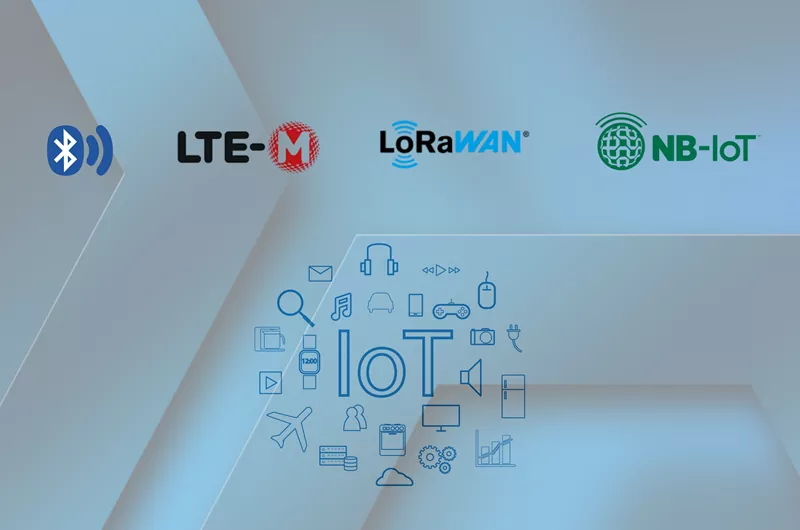
BLE vs LoRaWAN vs LTE-M vs NB-IoT: A Practical Connectivity Guide for IoT Devices
Choosing the right connectivity technology is one of the most important decisions in IoT product development. It may sound like a technical detail at the beginning, but in real projects, it affects almost everything: product cost, battery life, antenna design, certification, mobile app, cloud platform, production schedule, and even after-sales maintenance.
Many customers come to us with a simple question: “Which wireless technology should I use for my device?” The honest answer is: it depends on your application.
A BLE tag for indoor asset tracking, a LoRaWAN sensor for farmland, an LTE-M logistics tracker, and an NB-IoT water meter all have very different needs. So instead of only comparing technical specifications, we should look at how each technology performs in real use cases.
Why Connectivity Choice Matters in IoT Product Development
In IoT, connectivity is not just about “sending data.” It decides how the product works in the field.
For example, if your device needs to send location data every few minutes while moving across cities, a short-range technology like BLE will not be enough by itself. If your device only needs to report temperature once per hour from a warehouse or farm, cellular connectivity may be too expensive and power-hungry. If your product needs to connect directly with a smartphone, then BLE becomes a very practical choice.
A wrong connectivity choice can lead to many problems later: shorter battery life than expected, poor signal in real environments, expensive data plans, complicated certification, or even a complete redesign of the PCB and antenna.
That is why the best time to decide the connectivity technology is at the early product definition stage, before hardware design starts.
What Is BLE?
BLE, or Bluetooth Low Energy, is one of the most common wireless technologies for short-range IoT devices. It is designed for low-power communication and is widely supported by smartphones, tablets, gateways, and many consumer devices.
In simple words, BLE is a good choice when your device needs to work nearby.
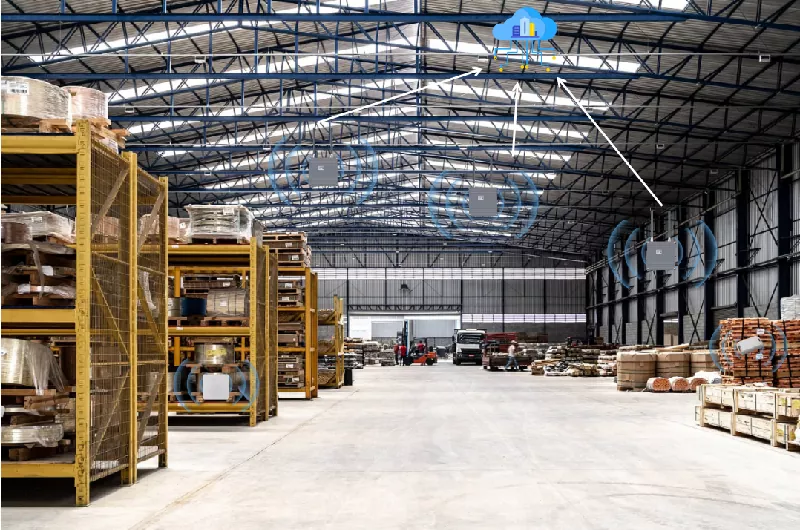
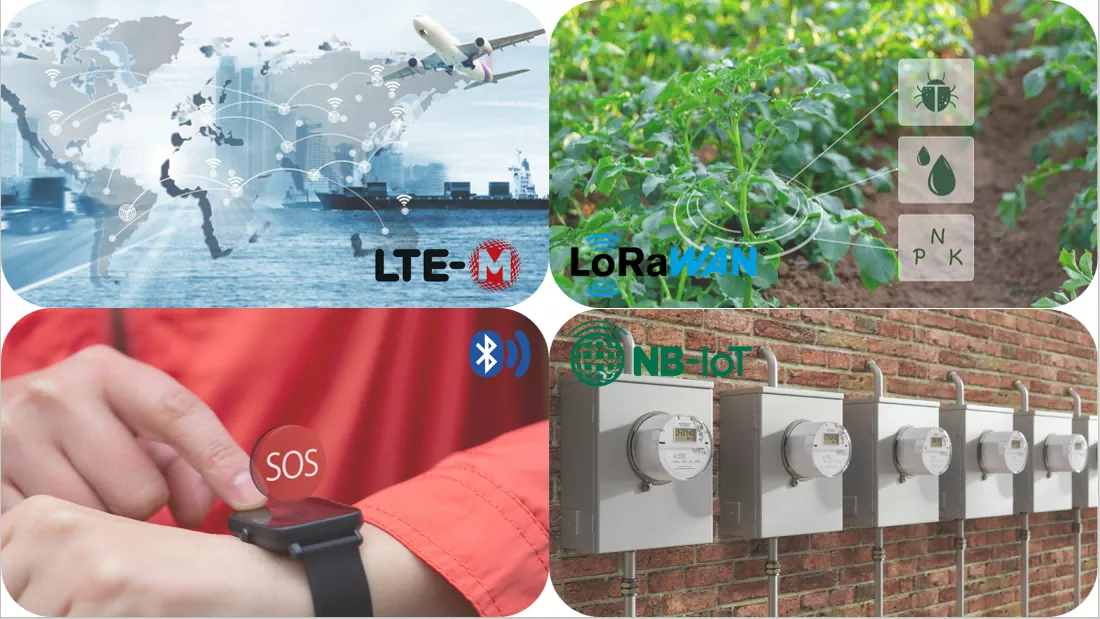
Typical BLE products include asset tags, beacons, wearable panic buttons, smart cards, sensors, indoor positioning tags, and small consumer IoT devices. For example, if a hospital wants to track medical equipment inside different rooms, BLE tags can broadcast signals, and BLE gateways or mobile apps can scan them. If a warehouse wants to do asset inventory, staff can use a phone or scanner to detect nearby BLE tags.
The biggest advantage of BLE is its ecosystem. Almost every modern smartphone supports Bluetooth, so many BLE devices can interact with mobile apps without needing a SIM card or cellular network. BLE modules and chips are also mature, and the overall hardware cost can be very competitive.
Of course, BLE also has limits. It is not designed for long-distance outdoor communication. The actual range depends on antenna design, transmit power, obstacles, and gateway placement. In real projects, walls, metal shelves, human bodies, and machines can all affect signal performance.
So, BLE is not always about “long range.” It is more about low power, low cost, nearby communication, and flexible deployment.
What Is LoRaWAN?
LoRaWAN is a low-power wide-area network technology. It is designed for devices that need to send small amounts of data over long distances while keeping power consumption low.Compared with BLE, LoRaWAN can cover a much larger area. That is why it is often used in agriculture, industrial parks, smart cities, utility metering, environmental monitoring, and remote sensors. For example, a farm may need soil moisture sensors across a large outdoor area. These sensors may only send data a few times per day, but they need to work for months or years on battery. In this case, LoRaWAN is usually a better fit than BLE or traditional cellular.
However, LoRaWAN usually requires a gateway or access to an existing LoRaWAN network. This is an important point. Some customers only compare device cost but forget the deployment cost of gateways, network servers, installation, and maintenance. LoRaWAN is very strong when the data volume is low and the devices are spread across a wide area. But it is not suitable for high-speed data, real-time voice, video, or frequent large data transmission.
In short, LoRaWAN is great for “small data, long range, low power” applications.
What Is LTE-M?
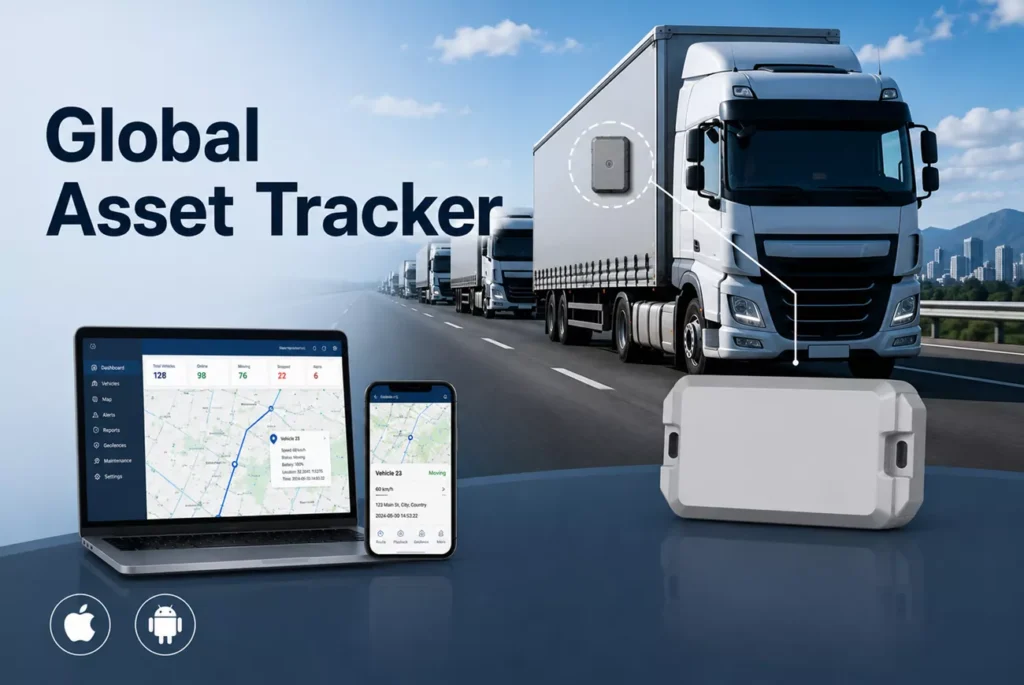
LTE-M is a cellular LPWA technology designed for IoT devices. It uses mobile operator networks and supports better mobility compared with NB-IoT. This makes LTE-M a practical choice for devices that move. Typical applications include logistics trackers, fleet tracking devices, wearable safety alarms, pet trackers, industrial mobile assets, and emergency buttons. For example, if a logistics company wants to track containers, pallets, or vehicles across cities, LTE-M can provide wide-area connectivity without deploying private gateways. The device can send location, motion, temperature, or alarm data through the cellular network.
LTE-M can also support relatively higher data rates than NB-IoT, and it is generally better for mobile scenarios. If the device moves frequently between base stations, LTE-M is often more suitable than NB-IoT. But there are also practical points to consider. LTE-M devices usually need a SIM or eSIM, operator coverage, data plans, antenna tuning, and cellular certification. The hardware cost and power consumption are normally higher than BLE or LoRaWAN, although still optimized for IoT compared with traditional LTE.
So, LTE-M is often a good balance when you need wide-area coverage, mobility, and moderate data transmission.
What Is NB-IoT?
NB-IoT is another cellular LPWA technology. It is also designed for low-power IoT devices, but it is especially strong in fixed or low-mobility applications that send small amounts of data. NB-IoT is commonly used in water meters, electricity meters, smart parking sensors, manhole cover monitoring, fixed asset status reporting, and other devices installed in difficult signal environments. One important advantage of NB-IoT is deep coverage. It can perform better than many traditional wireless technologies in basements, utility rooms, meter boxes, and other indoor or underground locations. For example, a smart water meter may be installed inside a cabinet or basement. It does not need to send data every second. It may only report usage data once or a few times per day. In this case, NB-IoT can be a very suitable option.
However, NB-IoT is usually not the best choice for fast-moving assets. It is more suitable for static devices with low data frequency. Like LTE-M, it also depends on operator network support, SIM/eSIM, regional frequency bands, and certification requirements.
So, the simple way to understand NB-IoT is: fixed device, small data, deep coverage, long battery life.
Quick Comparison Table

Simple Rule of Thumb
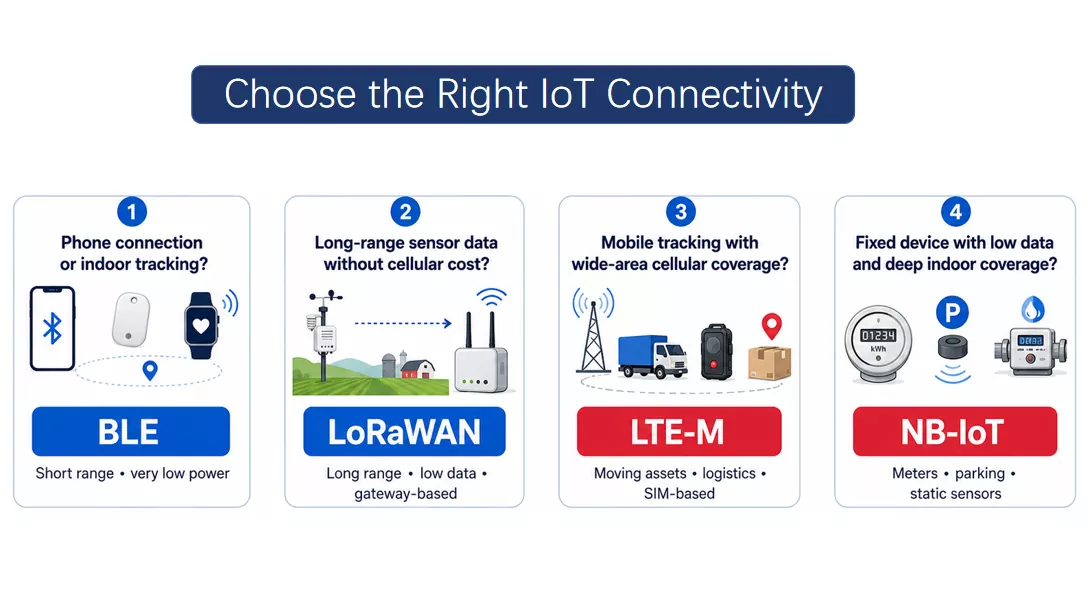
If you need phone connection, short-range detection, or indoor tracking, BLE is usually the first option to consider.
If you need long-range sensor data without relying on cellular data plans, LoRaWAN can be a very good fit, especially for farms, factories, campuses, and industrial parks.
If your device moves across cities or countries and needs cellular coverage, LTE-M is often better for mobile tracking and safety devices.
If your device is fixed, sends only small data, and may be installed in deep indoor locations, NB-IoT is usually worth considering.
Of course, real projects are not always that simple. Some devices may combine two technologies. For example, a tracker may use BLE for nearby detection and LTE-M for wide-area reporting. A sensor network may use BLE sensors with a gateway that uploads data through LTE or Ethernet.
Final Thoughts
There is no single “best” connectivity technology for all IoT devices. The right choice depends on your real application.
Before choosing BLE, LoRaWAN, LTE-M, or NB-IoT, you should ask a few practical questions:
Where will the device be used?
Is it indoor or outdoor?
Is it fixed or moving?
How often does it need to send data?
What battery life do you expect?
Which countries will the product be sold in?
Is local network coverage available?
What certification is required?
What is the target product cost?
In IoT product development, connectivity should be considered together with hardware design, firmware, antenna, cloud platform, app, certification, and mass production cost.
At Edroptech, we usually suggest customers start from the real use case, not just from the technology name. Once the application scenario is clear, it becomes much easier to choose the right wireless solution and avoid unnecessary redesign later.
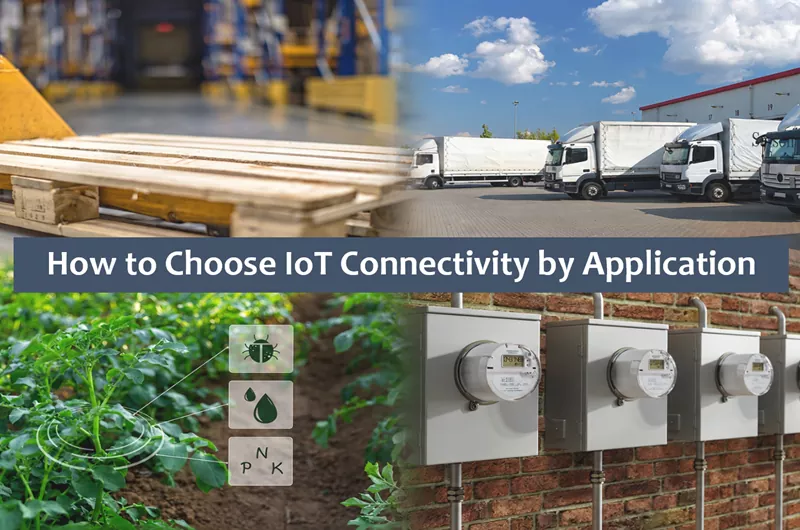
If you already know the basic differences, the next step is to choose connectivity by application.