

스타트업이 IoT 제품 개발을 위해 소규모 ODM 기업을 선호하는 이유
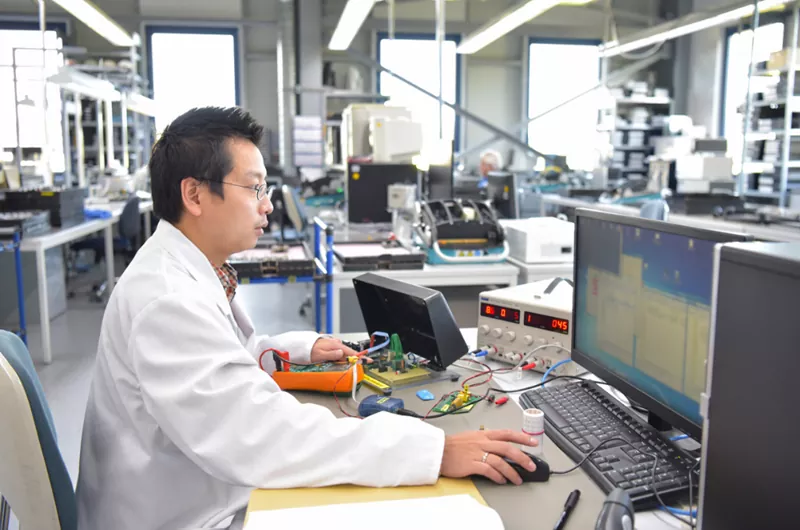
IoT product development is not as simple as building software. A real IoT device may involve PCB design, 펌웨어, 배터리 수명, wireless communication, 인클로저 디자인, 센서, certifications, 및 생산 테스트. For a startup, managing all these details can be difficult, especially when the product is still at an early stage. For many IoT startups, having a great idea is only the first step. The real challenge is turning that idea into a working product that can be tested, improved, and eventually produced at a reasonable cost.
That is why many startups prefer working with small ODM companies.
Startups Usually Do Not Need Mass Production on Day One
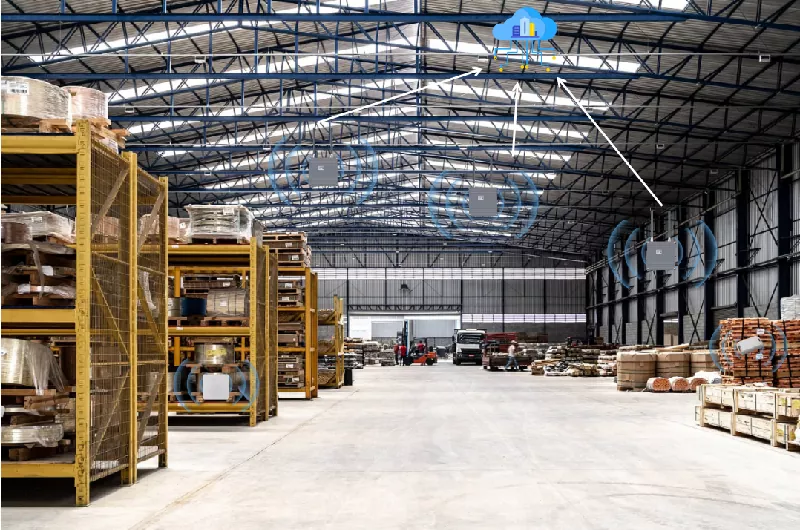
In the beginning, most startups do not need mass production. They need an MVP, a prototype, or a POC to prove whether the idea works in real-world conditions. 예를 들어, a startup may want to develop a BLE asset tracking tag for logistics, 창고, or industrial equipment. On paper, the design may look simple. But during testing, many practical issues can appear.
The BLE signal may be affected by metal surfaces.
The battery life may be shorter than expected.
The enclosure may not fit the customer’s installation method.
The product may need custom firmware, different sensor options, or special packaging.
These problems are normal in IoT projects. What matters is how quickly the team can respond and improve the product.
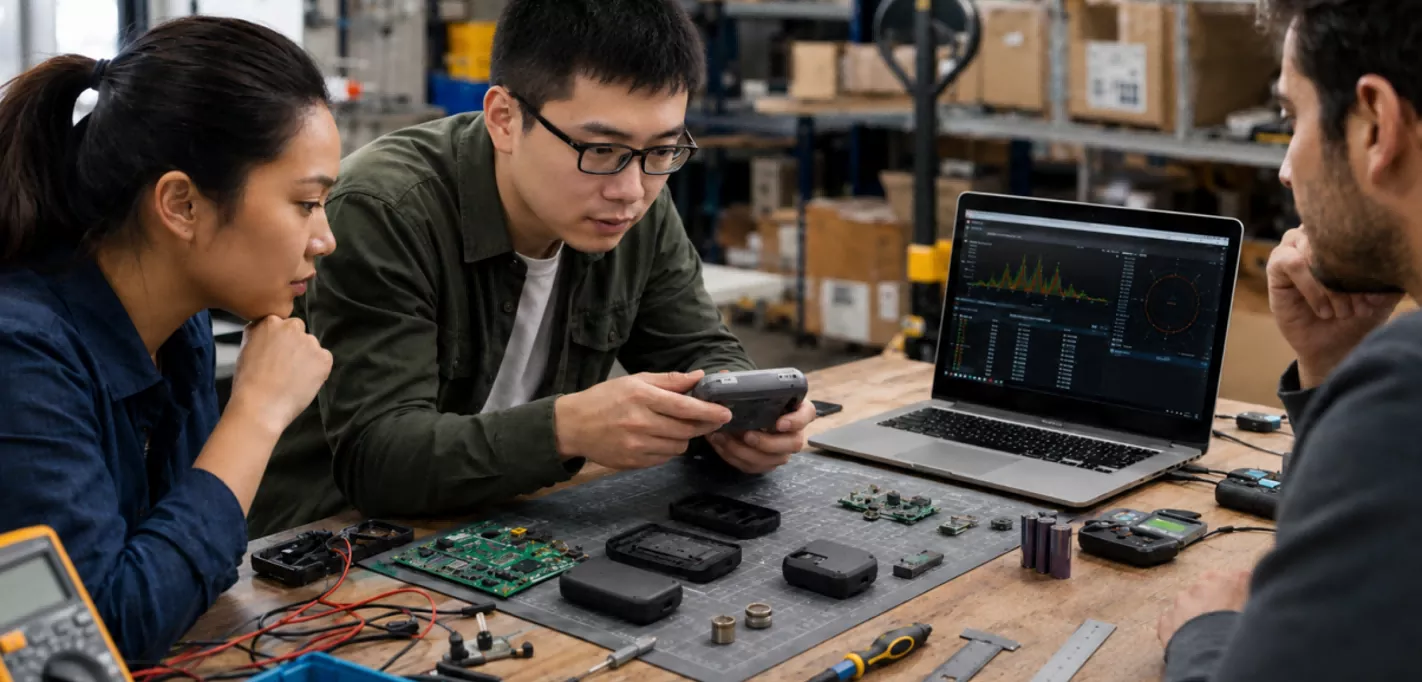
Small ODM companies are often more flexible than large manufacturers. Their communication chain is shorter, and startups can usually work more directly with engineers and project managers. When changes are needed, such as adjusting the antenna position, changing the battery, modifying the enclosure, or updating firmware, the response is usually faster.
This flexibility is especially important for MVP and prototype development. At this stage, the goal is not to build a perfect product immediately. The goal is to learn quickly, test with real customers, and improve based on feedback.
Low MOQ is another major reason startups choose small ODM partners. Large factories often require high order quantities because their systems are designed for mass production. But startups may only need 100, 300, 또는 1,000 units for pilot testing. A lower MOQ helps reduce inventory risk, protect cash flow, and give the startup more room to adjust the product before scaling up.
POC Projects Need Engineering Support, Not Just Manufacturing
Small ODM companies can also provide practical engineering support. Instead of simply producing what is written in a specification sheet, a good ODM partner will help analyze the real application scenario. 예를 들어, they may suggest a better battery solution, a more suitable enclosure material, a different antenna design, or a more realistic firmware setting based on the customer’s use case.
For IoT startups, this kind of collaboration is very valuable. They are not just buying hardware. They are building a product that must work reliably in real environments.
From MVP to prototype, from POC to small-batch production, a small ODM company can help startups move faster, reduce risk, and stay flexible during the most uncertain stage of product development.
For early-stage IoT projects, flexibility, 속도, 엔지니어링 지원, and low MOQ are often more important than the lowest unit price. That is why small ODM companies are becoming a preferred choice for many IoT startups.
Once your product is validated, the next challenge is scaling production:
“From Prototype to Mass Production: How IoT Products Scale Successfully”